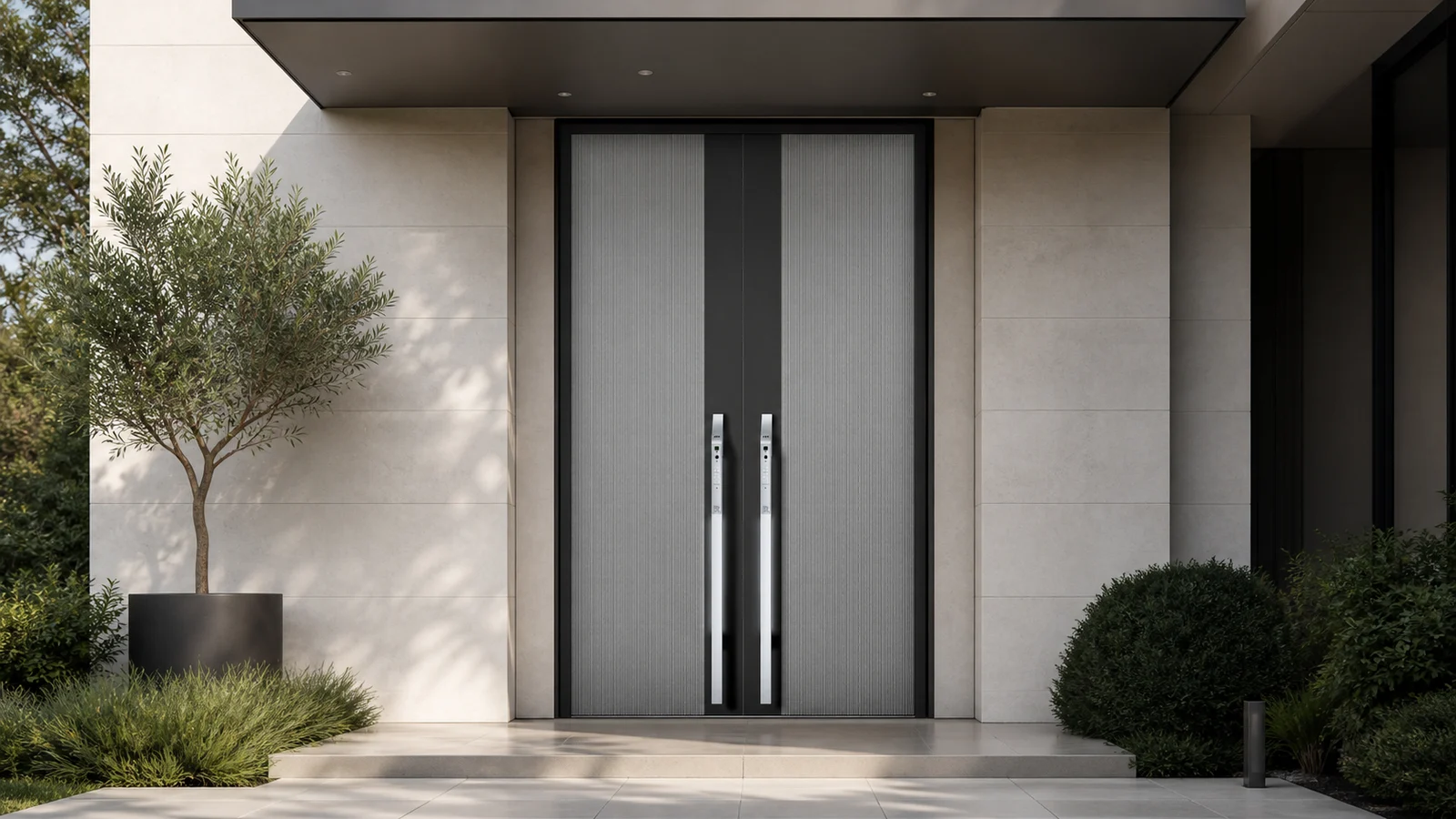
Introduction: The Key Is Facing Two Different Futures
The future of smart entry is moving in two directions.
One side is trying to make the key stronger, using fingerprints, facial recognition, and vein recognition to make identity almost impossible to duplicate.
The other side is trying to make the key disappear, using smartphones, NFC, UWB, and digital identity systems to make access completely seamless.
Both directions are being built in parallel today. The Matter standard has grown from roughly 600 certified products at its 2022 launch to nearly 6,000 today, and both biometric locks and digital-key systems are part of that growth.
This is no longer a competition between unlocking methods. It is a question about how future homes will recognize people.
From Physical Keys to Digital Credentials
Mechanical keys had three limitations. They could be lost. They could be copied. They provided no information about access history.
Digital locks introduced a new concept: access could be managed digitally. Passwords replaced the metal key. Fingerprints replaced the password. Temporary access codes became routine.
This was the common starting point before the industry began moving in different directions.
Path One: Making the Key Harder to Duplicate
The Evolution of Identity Verification
The first approach believes the future of access security depends on improving identity recognition. The core question is: "Is this person really the authorized user?"
Password - Fingerprint - Face Recognition - Finger and Palm Vein
Each step attempts to answer the same question: "Can we be more certain this is the right person?"
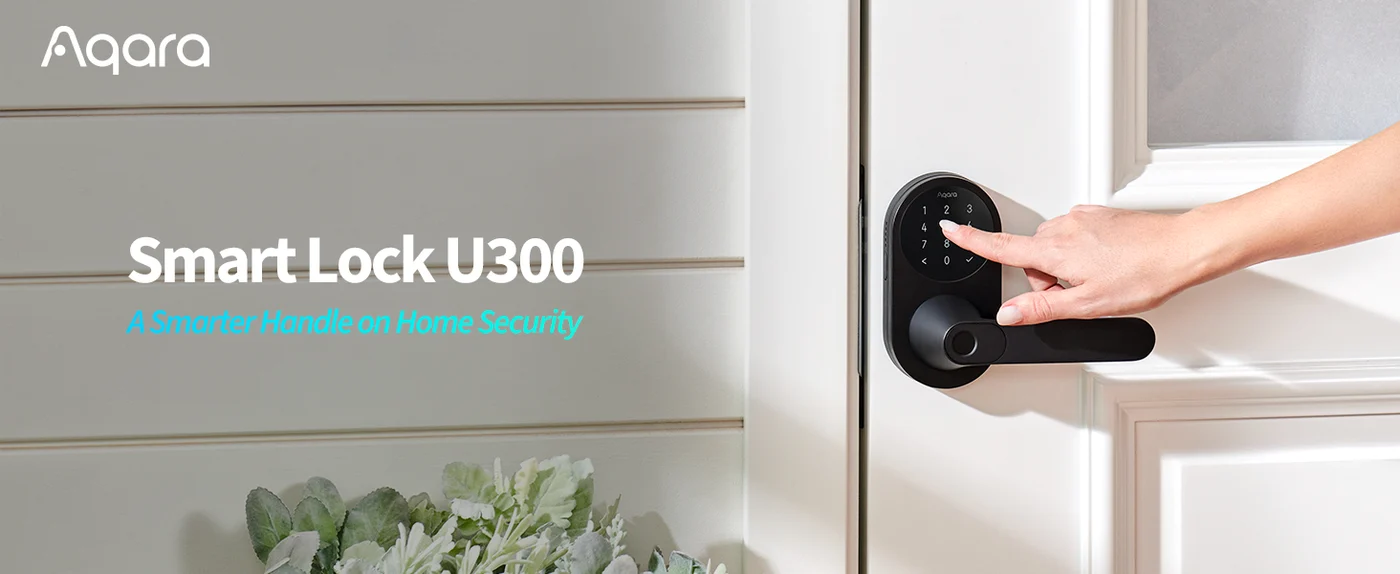
Fingerprint recognition became the foundation of modern smart locks. It offered individual identification, fast access, and no need to carry physical keys. Today, fingerprint locks remain the mainstream of the residential market, led by brands such as Schlage in North America and Desman and Oulang in China.
Facial recognition introduced a completely touch-free experience. With 3D cameras, infrared sensors, and liveness detection, the door could recognize users without physical contact: approach the door, the system identifies you, the door opens.
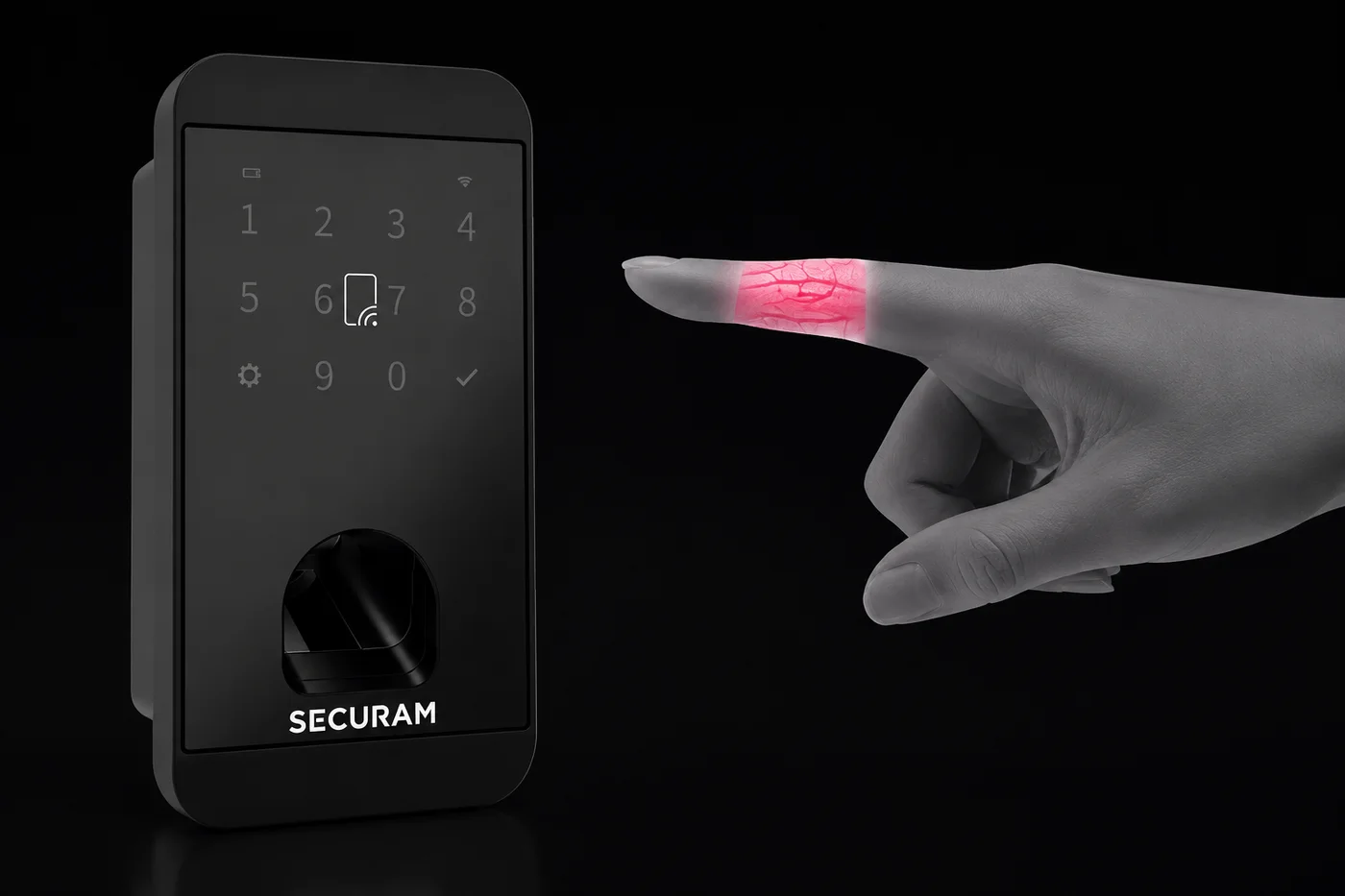
The next step is moving beyond external features. Vein recognition, including finger vein and palm vein, uses the vascular network beneath the skin. Because these patterns are hidden inside the body and reflect living blood flow, they are far more difficult to steal, copy, or spoof than an external fingerprint.
SECURAM built its high-security locks around finger vein recognition, a technology that began in bank vaults.
For a project where protection is non-negotiable, biometric identity can even be combined with a mechanical key. In one client's finance room, access required two verifications: a palm vein scan plus a physical key. Both had to pass before the door would open.
The goal is clear: make the identity behind the key more trustworthy. In this approach, the future key becomes stronger because it becomes harder to copy.
Path Two: Turning the Key Into a Digital Identity
From Smart Lock to Smart Home Access
The second approach starts from a different idea: maybe the future key does not need to become more complicated. Maybe it should become invisible.
Instead of making the lock itself smarter, this approach connects the lock with a larger digital ecosystem. The question changes from "Can the lock recognize you?" to "Does the system already know you are authorized?"
Smart Lock - App - Ecosystem - Digital Identity
The door is no longer an isolated device. It can communicate with smart home platforms, security systems, mobile devices, and digital identity services. Apple Home Key and Google Wallet store access credentials on the phone itself; Matter provides a common language between devices from different manufacturers.
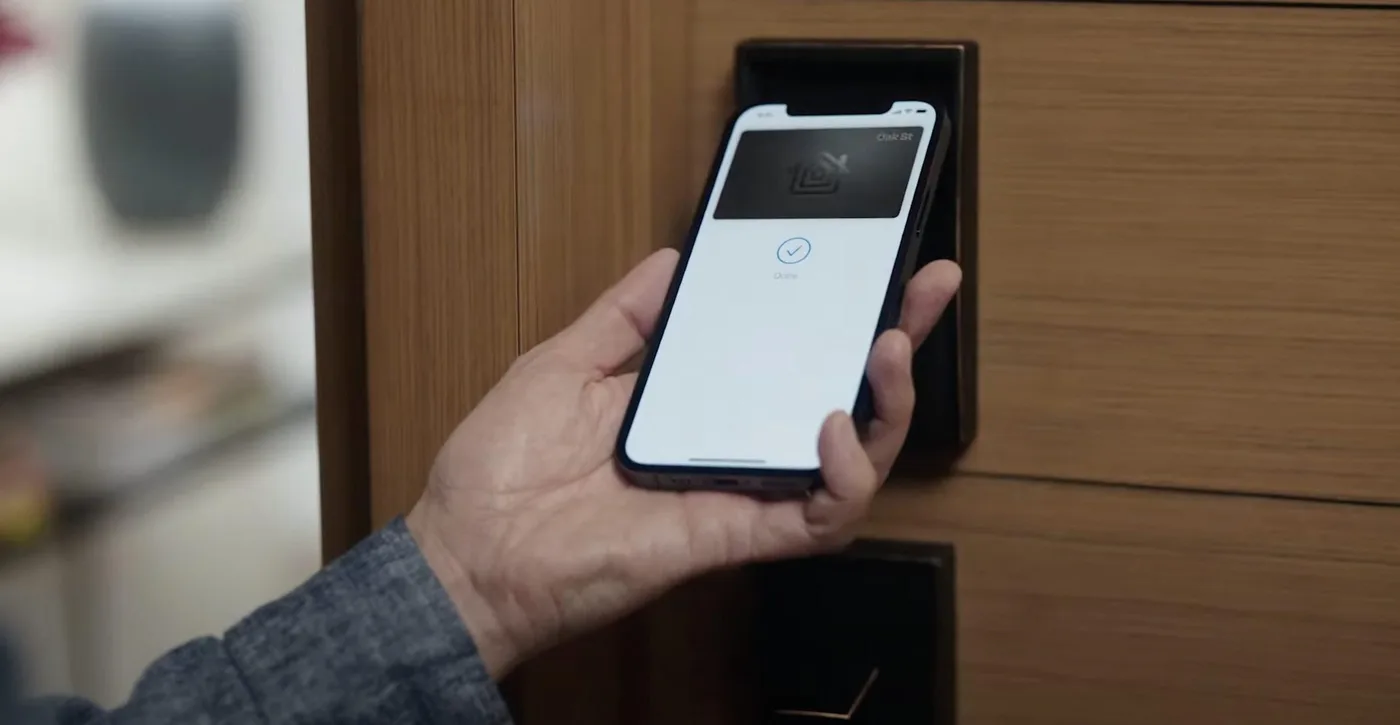
NFC digital keys create a simple experience. A user brings an authorized device close to the door; the system verifies permission; access is granted. Similar to modern contactless payment, the key is no longer a physical object. It becomes a secure digital credential stored on a device.
Ultra-Wideband technology takes the next step from interaction to automation. It allows devices to understand spatial relationships: distance, direction, location. A homeowner approaches the entrance. The system recognizes an authorized device nearby. The door unlocks automatically. No need to find a key, open an app, or touch a sensor. The key becomes almost invisible.
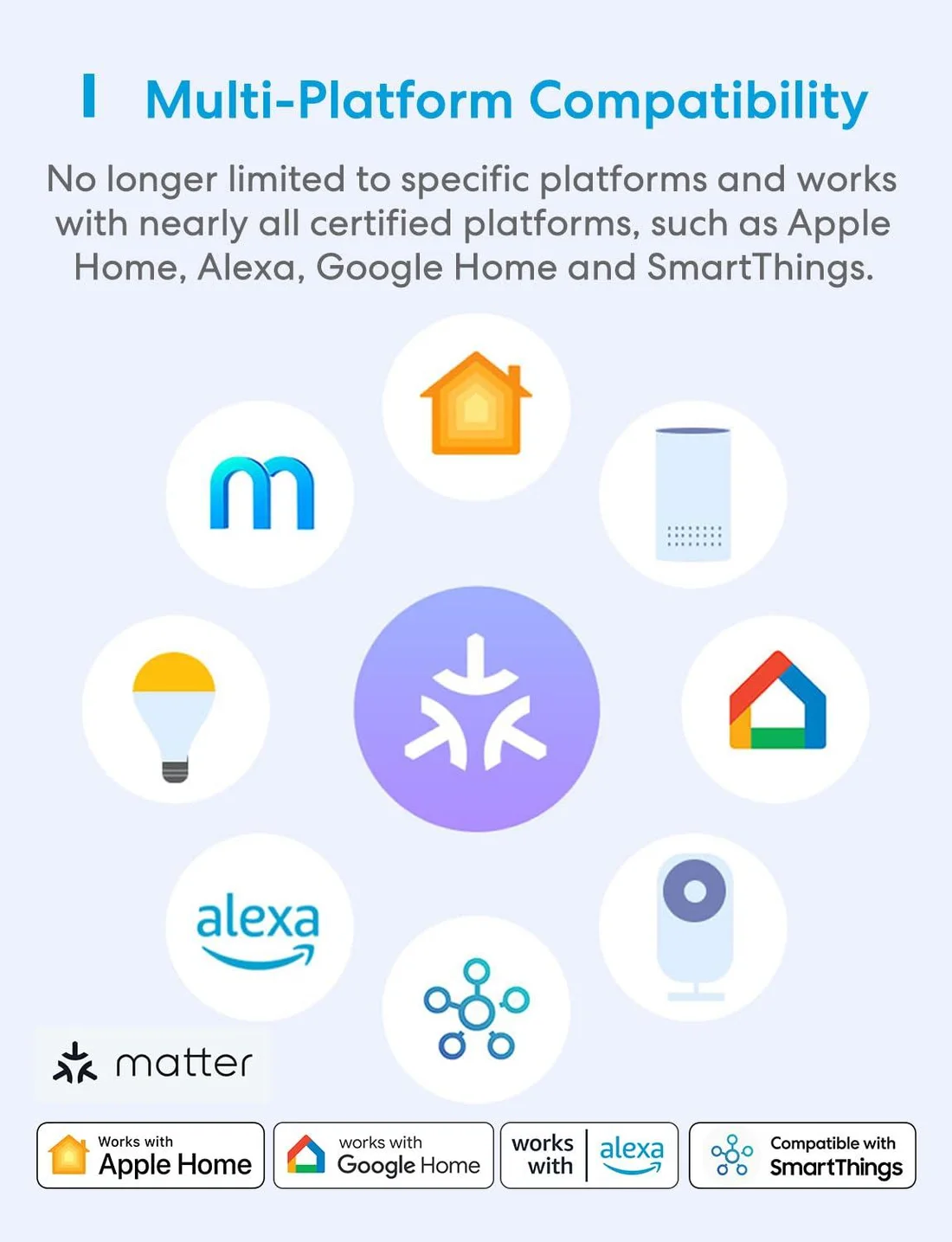
Ecosystem compatibility often matters more than any single technology. In one luxury home project, the father used an iPhone, his wife an Android phone, and the children wore Apple Watches. The solution was a TTLock-based system compatible with all three, because a door that only recognizes one ecosystem ends up locking out part of the family.

The goal: reduce the friction between people and buildings.
Two Philosophies, Two Advantages
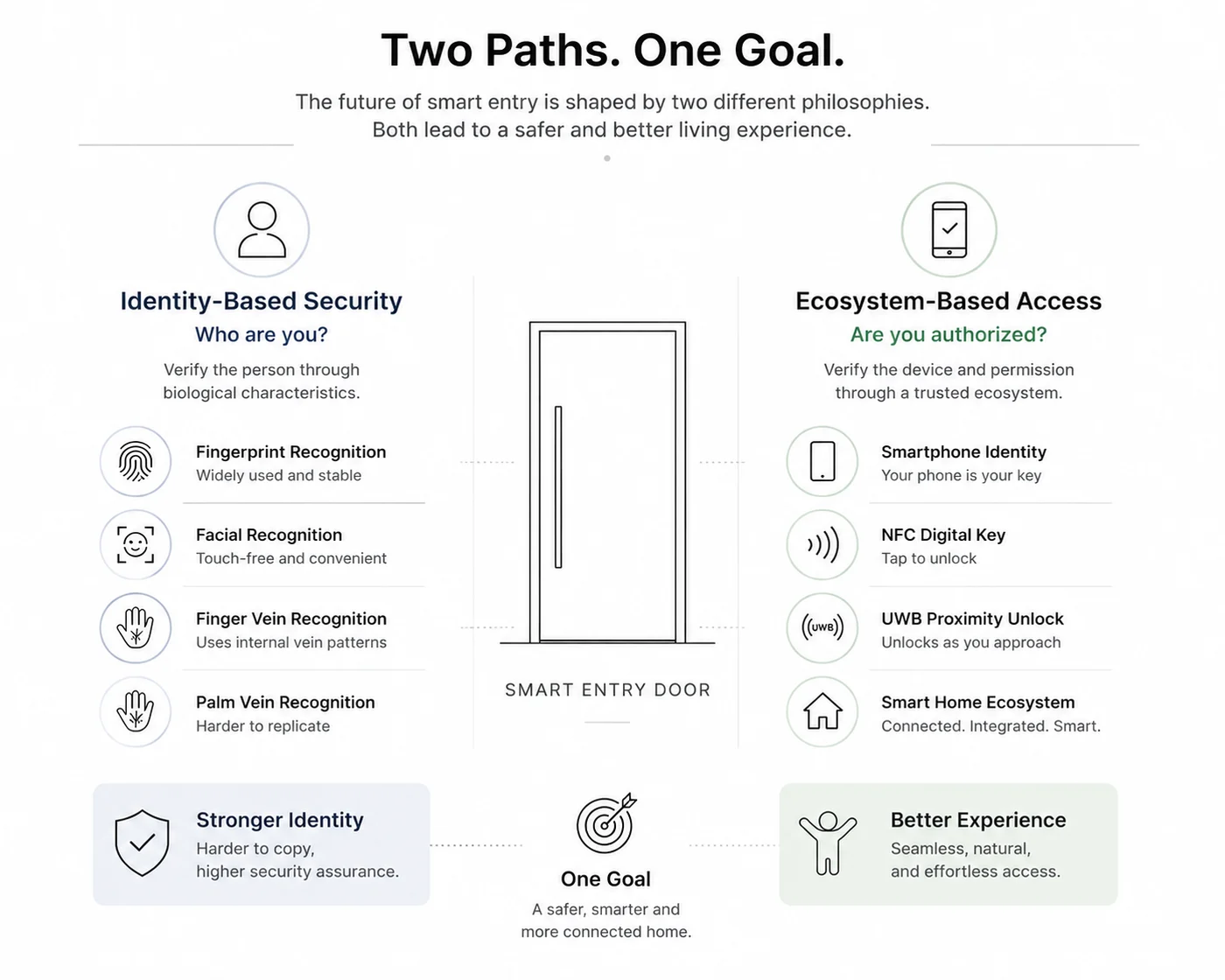
These two paths are not competing answers. They represent two different interpretations of smart access, solving the same problem with different priorities.
Identity-Based Security
Core question: "Who are you?" The system verifies the person directly through biological characteristics.
Advantages: Strong personal verification. Independent identity recognition. Best where security is the highest priority.
Limitations: More hardware complexity. More sensors. More maintenance.
Ecosystem-Based Digital Access
Core question: "Are you authorized?" The system relies on trusted digital identities instead of identifying the person itself.
Advantages: Seamless experience. Easy integration. Better connection with smart homes.
Limitations: Depends on ecosystem support. Requires compatibility standards.
Neither approach is "the winner." They fit different scenarios.
The difference is in what each approach actually verifies. Identity-based security verifies a person: the door checks whether this specific body is authorized. Ecosystem-based access verifies a device: the door checks whether this phone holds permission. Both feel seamless to the user, but they answer different questions.
This is why the choice usually comes down to the use case, not the technology. A homeowner who wants to walk in without touching anything will prefer the ecosystem route. A project where security cannot be compromised will prefer identity verification, because a device can be borrowed or found, but a vein pattern cannot.
What Does This Mean for Entrance Door Manufacturers?
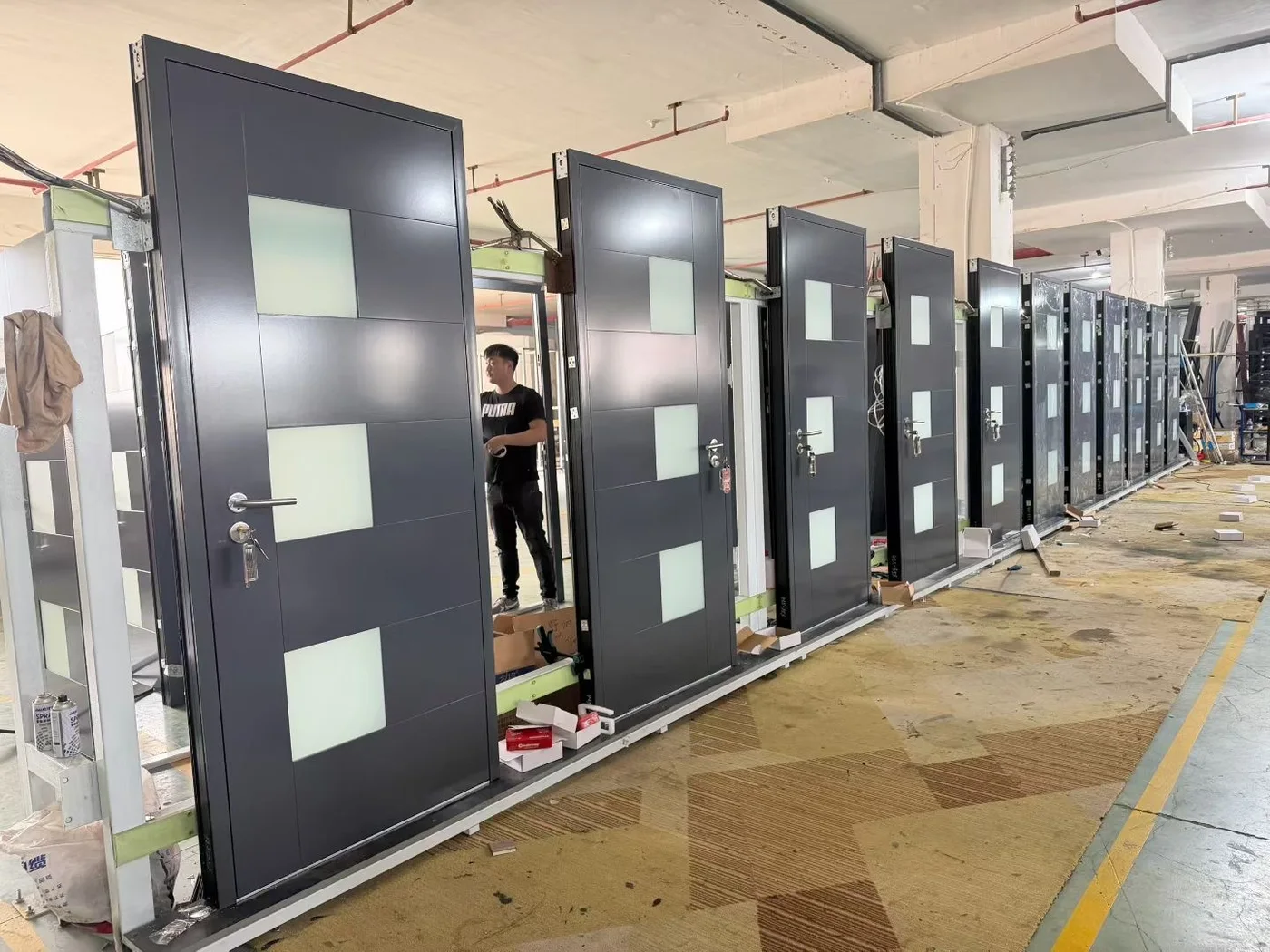
Smart access cannot be evaluated only by counting unlocking methods. A door with fingerprint, face recognition, camera, and multiple sensors may appear advanced, but modern homeowners, architects, and builders increasingly ask another question: can this entrance integrate into the entire home system?
For manufacturers, the answer comes down to three layers.
1. Hardware Integration
The door itself must be designed for smart access: large door size, heavy panels, lock compatibility, and power supply. Intelligence is not an external lock bolted onto a door.
2. Digital Compatibility
Future doors need smart lock compatibility, digital key support, and smart home ecosystem connection. The question is whether the door speaks the same language as the connected home. Matter's growth, from 600 certified products in 2022 to nearly 6,000 today, shows how quickly that language is spreading.
3. Long-Term Reliability
A high-end entrance door outlives any single electronic component inside it. The locking electronics will be serviced or replaced during the door's life. That means the design must support replaceable components, local service, and a stable ecosystem that will not be abandoned after the first purchase.
There is also a gap between expectation and reality. In hospitality, 94% of guests say they want to check in with their phone, but only 14% actually use a digital key, and 70% still pick up a physical card. A system that works in a demo does not guarantee adoption in real life. Build for the experience people actually have, not only the one shown in marketing.
The entrance door of the future will not simply protect a home. It will become the first connection between people and their living environment.
Conclusion
The evolution of smart entry doors is moving in two directions. One direction makes the key stronger, using advanced identity verification to ensure the user is genuine. The other makes the key disappear, transforming access into a seamless digital experience.
These are not competing answers. They are options. For a homeowner who wants to walk in without thinking, the ecosystem path delivers. For a project where security cannot be compromised, identity verification delivers, because a device can be borrowed or lost, but a person's identity cannot.
The future of smart entrance doors will likely combine both ideas: strong identity protection with effortless access.
Because the ultimate goal of a smart door is not simply to lock or unlock. It is to create a safer, more natural connection between people and the spaces they call home.
Apple Home Key is a trademark of Apple Inc. Google Wallet is a trademark of Google LLC. Matter is a trademark of the Connectivity Standards Alliance. TTLock is a trademark of its respective owner. All other trademarks are property of their respective owners.